
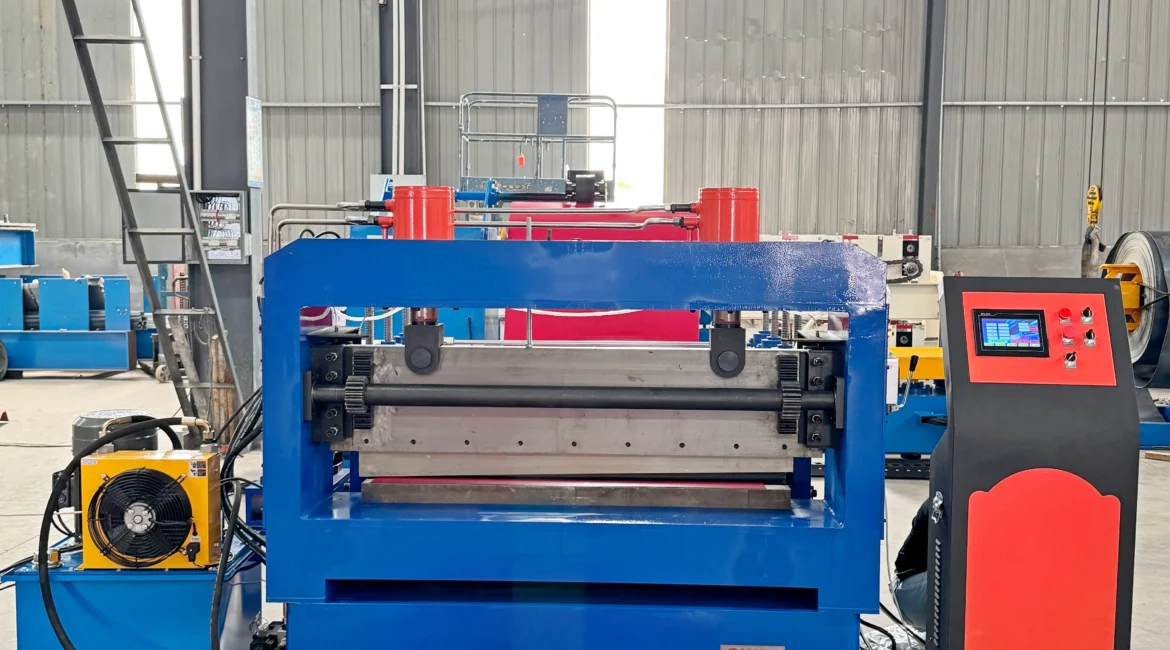
In metal processing, sheet flatness plays an important role in the quality of finished products. Uneven metal sheets can cause feeding problems, affect cutting accuracy and create difficulties during subsequent forming operations.
A sheet leveling machine is designed to reduce unwanted deformation in metal sheets and improve material flatness before further processing. It is widely used in metal fabrication workshops, coil processing lines and manufacturing facilities that require consistent sheet quality.
At Dingtai, we manufacture metal processing equipment for different industrial applications. Our leveling machine solutions can be configured according to material characteristics, sheet dimensions and production requirements.
What Is a Sheet Leveling Machine?
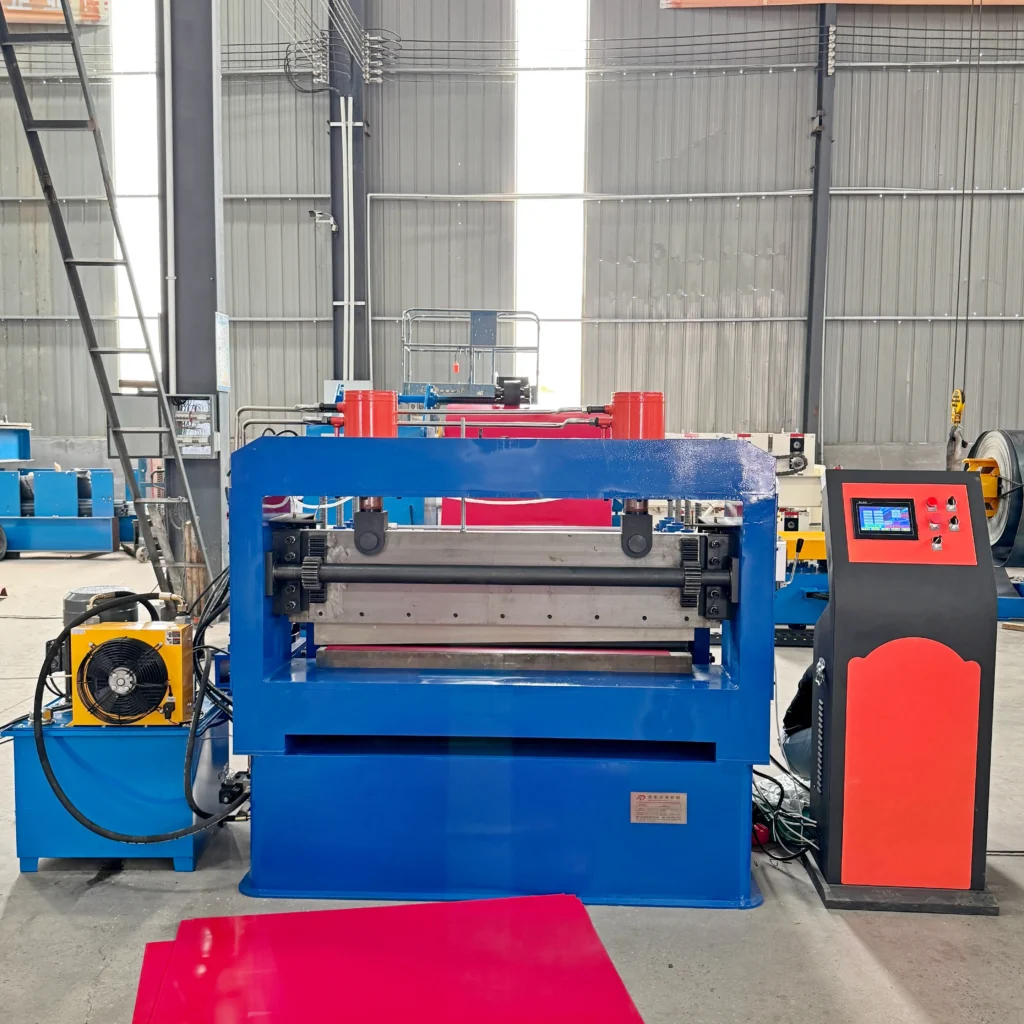
A sheet leveling machine is industrial equipment used to improve the flatness of metal sheets or strips. During the leveling process, the material passes through a series of leveling rollers that apply controlled bending forces to help reduce residual stress and uneven deformation.
Depending on the machine design, leveling equipment can process materials such as galvanized steel, pre-painted steel, cold-rolled steel and other metal sheets.
A suitable leveling machine can help prepare metal materials for downstream operations, including:
- Cutting and shearing
- Roll forming
- Metal stamping
- Sheet fabrication
- Panel manufacturing
- General metal processing
The correct machine configuration depends on the material type, thickness, width and required flatness.
How Does a Metal Leveling Machine Work?
A metal leveling machine works by passing sheet material through a roller system. The rollers apply repeated, controlled bending to the material, helping reduce unevenness and improve its overall flatness.
The typical process includes the following steps:
1. Feeding the Metal Sheet
The metal sheet or strip is guided into the machine. Proper feeding helps keep the material aligned during processing.
2. Roller Leveling
The material passes through the leveling rollers. The roller arrangement and adjustment settings determine how the sheet is bent during the leveling process.
3. Flatness Improvement
Controlled roller pressure helps reduce certain types of deformation, such as waviness and unevenness. The actual result depends on the material properties, incoming sheet condition and machine setup.
4. Downstream Processing
After leveling, the material can move to the next production stage, such as cutting, shearing or roll forming, according to the production line design.
Key Advantages of a Sheet Leveling Machine
Improved Sheet Flatness
Uneven sheets can create problems during cutting, forming and assembly. A properly configured sheet leveling machine helps improve material flatness and provides a more consistent starting point for downstream processing.
More Consistent Production
Stable material feeding and appropriate roller adjustment can help improve consistency when processing metal sheets or strips in repeated production runs.
Support for Downstream Equipment
Leveling equipment can be integrated into metal processing lines to prepare material before cutting or forming. Better incoming material condition can help reduce handling difficulties during subsequent operations.
Flexible Machine Configuration
Different materials and production requirements may need different roller arrangements, adjustment systems and machine dimensions. A customized configuration allows the equipment to better match the customer’s manufacturing process.
Applications of Sheet Leveling Equipment
Sheet leveling machines are used in a variety of metalworking industries.
Common applications include:
- Roofing and wall panel production
- Steel coil processing
- Cut-to-length production lines
- Metal fabrication workshops
- Industrial sheet manufacturing
- Construction material processing
- Components requiring improved sheet flatness
For roll forming manufacturers, leveling equipment can be an important part of the material preparation process. The suitability of a particular machine depends on the panel profile, coil specifications and production line arrangement.
How to Choose the Right Metal Leveling Machine
Before purchasing a metal leveling machine, buyers should evaluate several important factors.
Material type: Steel, galvanized steel, pre-painted steel and aluminum can have different processing characteristics.
Material thickness and width: These dimensions affect the required roller design, machine structure and adjustment range.
Incoming material condition: The amount and type of deformation in the material influence the leveling requirements.
Required flatness: Buyers should communicate their quality expectations and provide representative material samples when possible.
Production capacity: The required processing speed and expected workload should be considered when selecting the machine configuration.
Integration requirements: If the machine will operate with a decoiler, cutting machine or roll forming line, the feeding method and equipment layout should be evaluated together.
Providing detailed material specifications before ordering helps the manufacturer recommend a more suitable solution.
Customized Sheet Leveling Machine Solutions
Different customers process different materials and require different production arrangements. For this reason, selecting a leveling machine should begin with a clear understanding of the intended application.
At Dingtai, we can evaluate customer requirements and discuss a suitable equipment configuration based on the material type, sheet dimensions, production process and workshop layout.
Customers are welcome to provide material specifications, production requirements and reference photos for technical evaluation before ordering.
Sheet Leveling Machine Manufacturer
Dingtai manufactures metal processing and roll forming equipment for roofing, construction and industrial applications. We focus on providing practical machine configurations based on customer production needs.
If you are looking for a sheet leveling machine for your metal processing project, contact our team with your material thickness, sheet width, material type and required production capacity.
Our team can review your requirements and help you identify a suitable machine solution for your application.