
Metal Straightening & Bending Machines – Complete Solutions for Metal Processing
Straightening machines are mainly classified according to material form and processing principles, including roll leveling machines (suitable for flatness correction of plates/coils), precision straightening machines (suitable for straightness correction of bars/pipes/profiles), and integrated unwinding leveling feeding lines; Bending machines are divided into two series based on their structure and driving method: plate bending machines and bending machines. Among them, plate bending machines are further divided into three main types based on the number and configuration of rollers: two roller, three roller, and four roller machines
Straightening & Leveling Machines
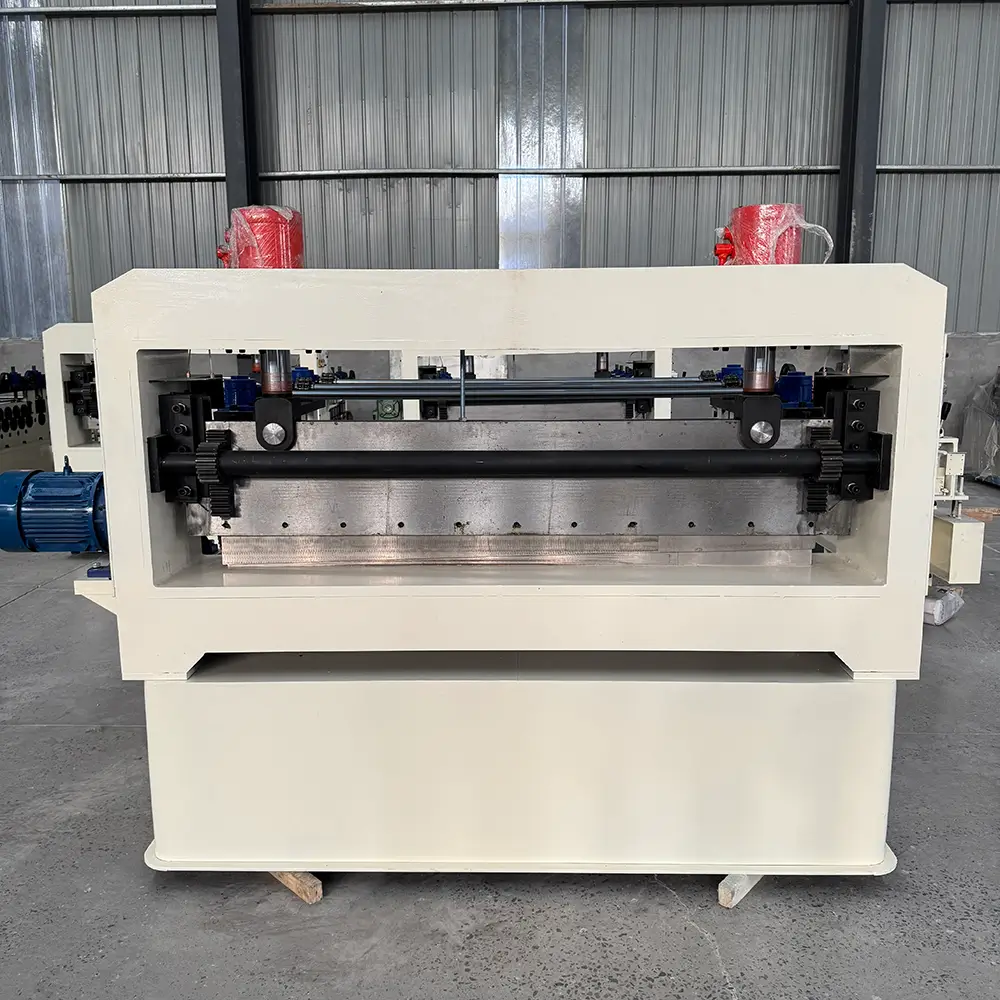
Roller leveling machine
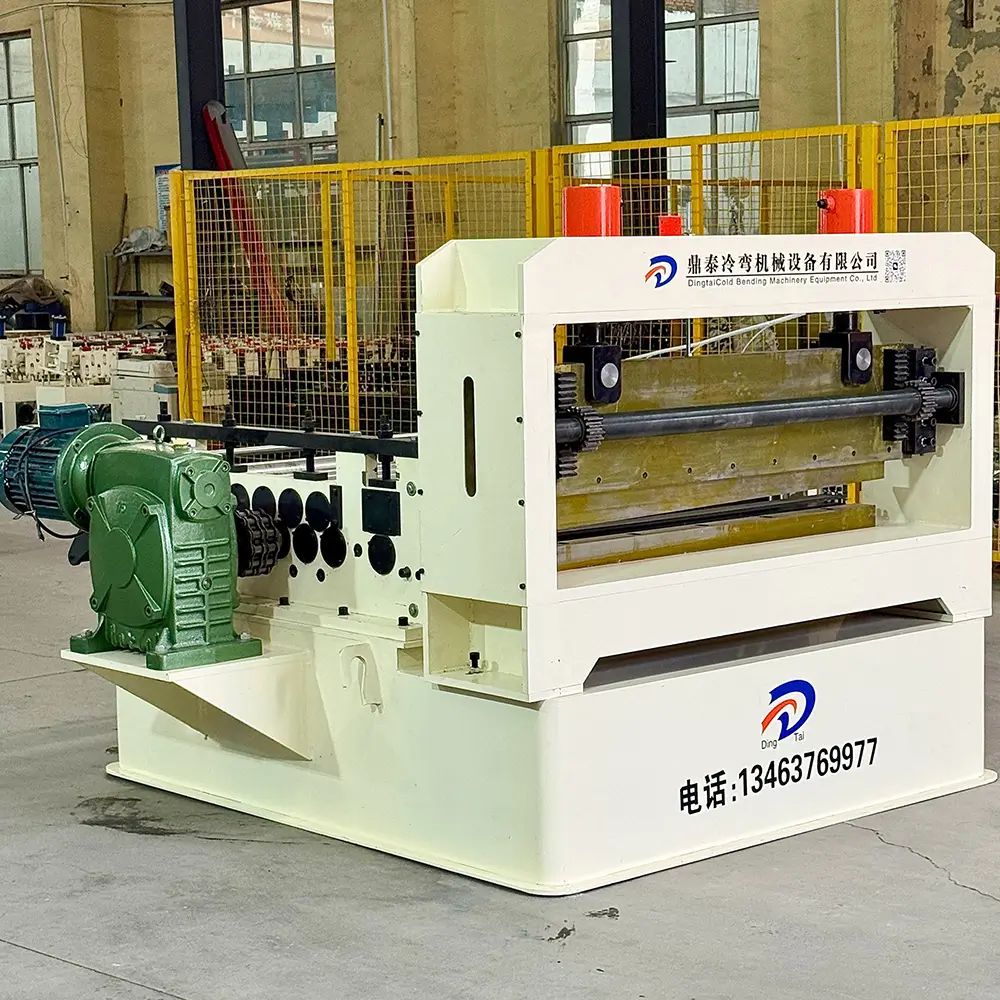
Profile Straightening Machine
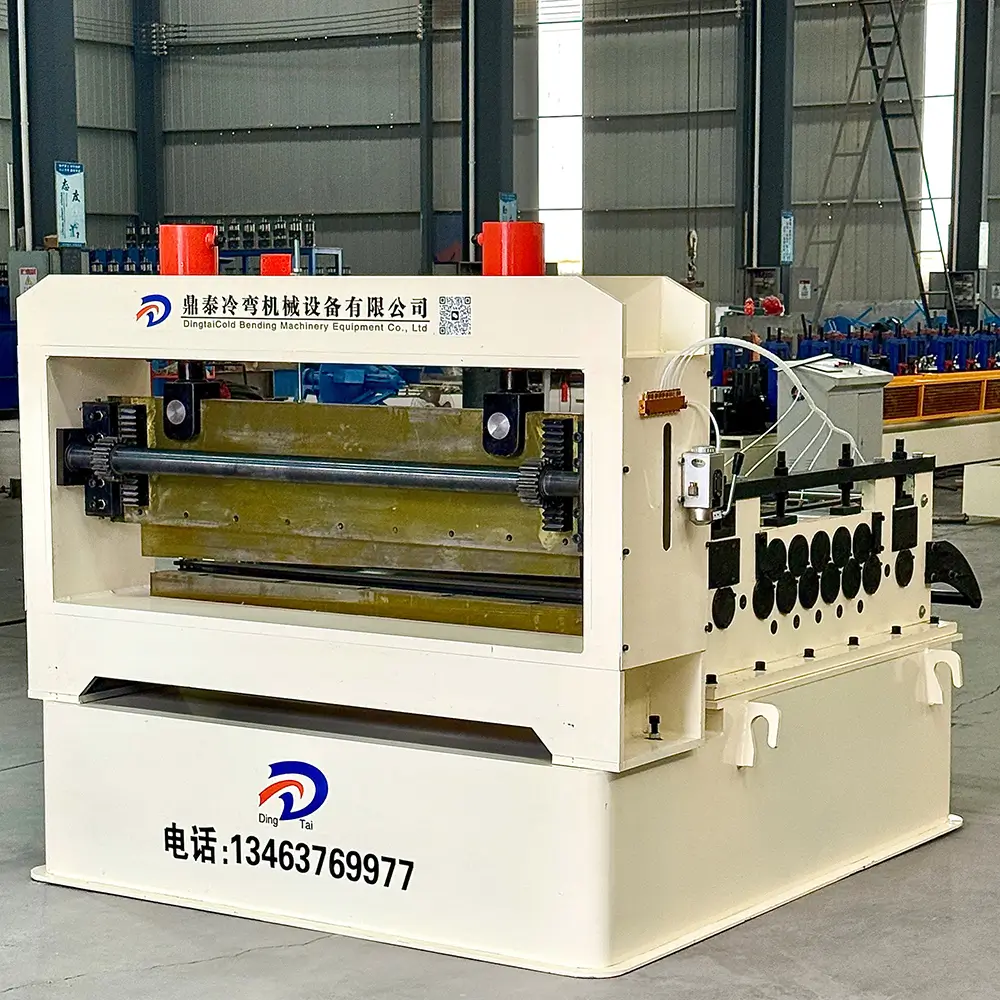
Hydraulic Heavy-Duty Plate Leveler
Bending & Curving Machines
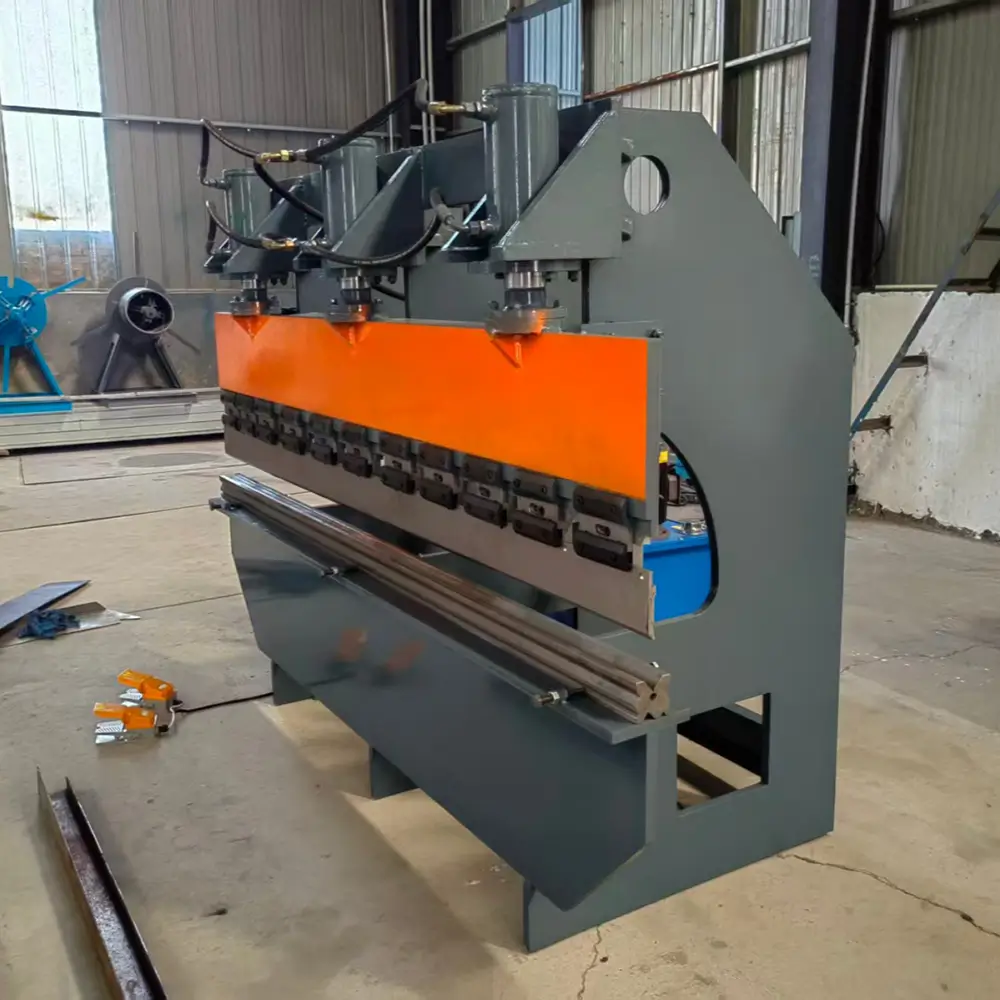
Plate Rolling Bending Machine
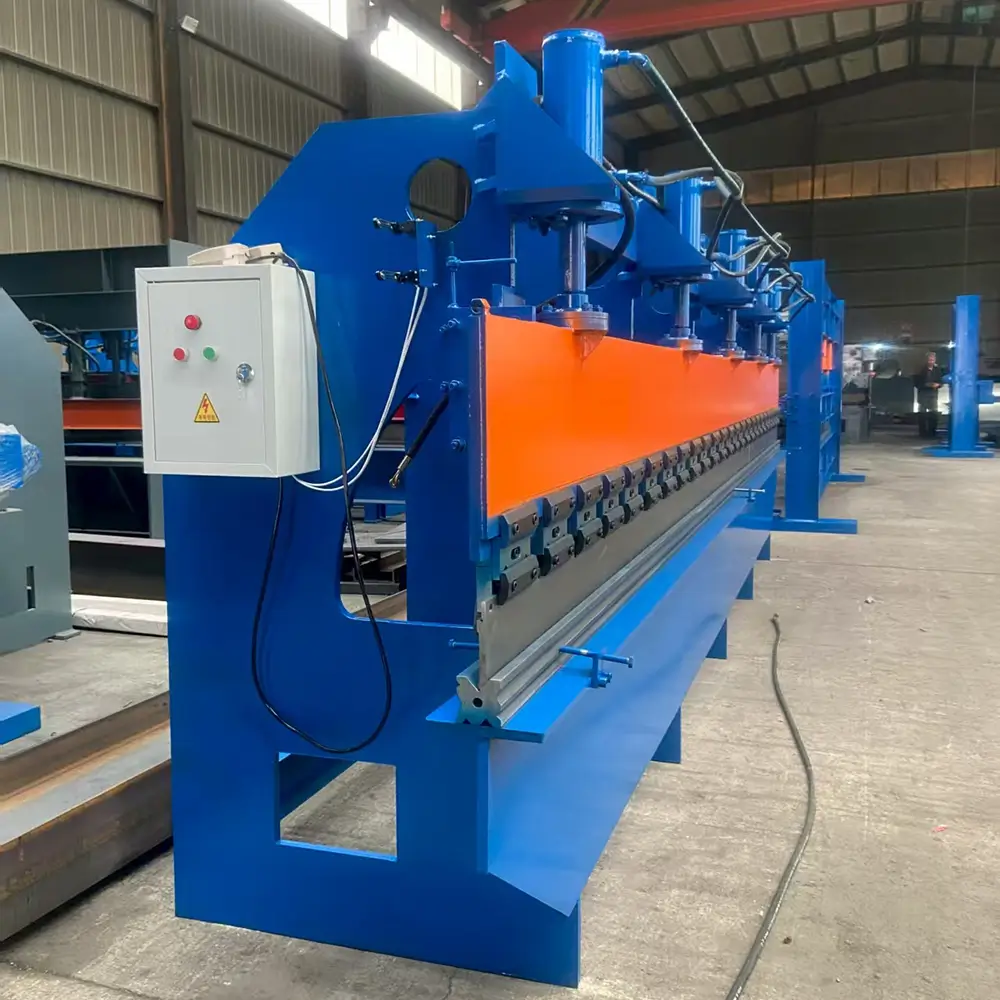
A roll bending machine
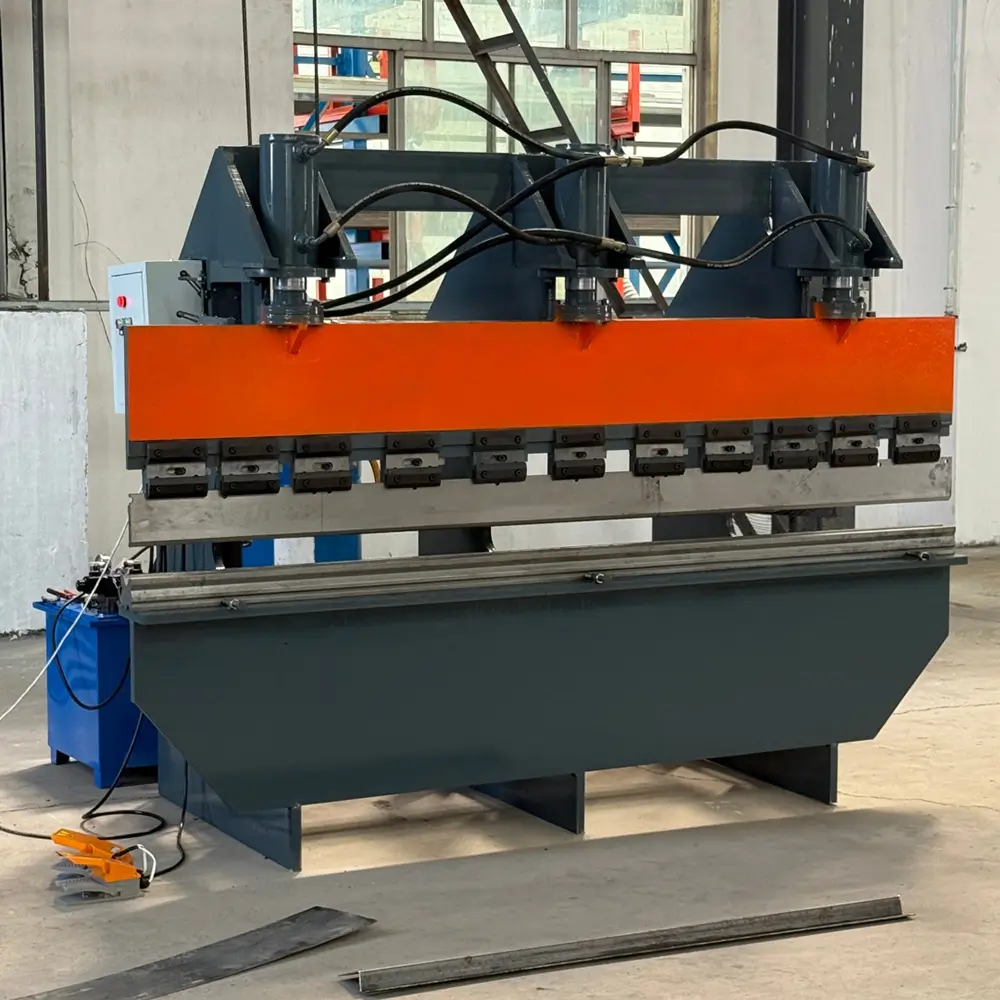
Bending rolll forming machine
Selection Guide – Which Machine Do You Need?
| Your Material / Process Requirement | Recommended Equipment | Key Considerations |
|---|---|---|
| Coil slitting → get flat sheet material | Roller Leveler / Decoiler + Leveler + Feeder Line | Material thickness, width, downstream press/shear speed, flatness requirement |
| Stamped / laser‑cut parts have flatness defects (warping, waves, bends) | Precision Sheet Leveler (thin plate) | Part geometry, incoming thickness, target flatness (e.g., mm per meter) |
| Bars / tubes / profiles have excessive straightness deviation | Precision Straightener (multi‑roll / skew roll) | Material diameter, yield strength, target straightness (mm/m), optional cut‑to‑length |
| Heavy plates (shipbuilding, pressure vessel, heavy machinery) are severely uneven | Hydraulic Heavy‑Duty Plate Leveler | Plate thickness, width, yield strength, severity of unevenness |
| Flat plate → cylinder / cone / curved plate (e.g., tanks, wind towers) | Plate Rolling Machine (3‑roll or 4‑roll) | Plate thickness, min/max rolling diameter, width, pre‑bending requirement |
| Flat plate → U / V / multi‑bend shapes (e.g., electrical cabinets, sheet metal parts) | Press Brake (hydraulic / electro‑hydraulic / servo) | Plate thickness, part length, bending accuracy, batch size |
| Tubes / profiles → curved shapes (e.g., railings, vehicle frames) | Tube Bender / Section Bender | Tube diameter, wall thickness, bending radius, 2D or 3D bending |
Why Choose Us
One Source for Two Core Metal Processing Needs
Straightening and bending – both from a single supplier. No need to coordinate multiple vendors for complementary equipment.15+ Years of Manufacturing & Export Experience
Serving metal fabrication, automotive, construction, and sheet metal industries worldwide.CE Certified & Export-Ready
CE certification, ISO 9001 available. Customizable voltage (220V–480V, 50/60Hz). Multi-lingual manuals and electrical diagrams included.Heavy-Duty Core Components for Long-Term Reliability
Key wearing parts: GCr15 bearing steel rollers / high-strength shafts / PLC & HMI control. Designed for continuous industrial use.100% Pre-Shipment Testing
Every machine undergoes 48-hour continuous load and material testing before delivery. Test report and video available.Global Service Network – We’re There When You Need Us
Overseas engineer dispatch available for installation. 2-hour remote diagnosis (WhatsApp / video). Common spare parts delivered in 3–5 days via express courier.
FAQ
What’s the difference between a roller leveler and a precision straightener?
Roller leveling machine is designed for the flatness of rolls/plates; Precision straightening machine is designed for the overall straightness of bars/pipes/profiles. The working objects and calibration objectives of the two are different.
Which machine corrects coil set and wavy edges?
The leveling unit in the roll leveling machine/unwinding leveling line eliminates longitudinal/transverse curling and internal stress through multi roll staggered bending.
Can your plate rolling machine produce cones as well as cylinders?
Sure, the four roll/three roll models support side roll tilting and are used for cone forming (please specify). The numerical control device ensures the positioning of the sector plate.